
CHARLESTON — House Bill 4656 would make sweeping changes to how West Virginia handles chronic absenteeism, shifting the focus from punishment to intervention and formally ending truancy as a status offense.
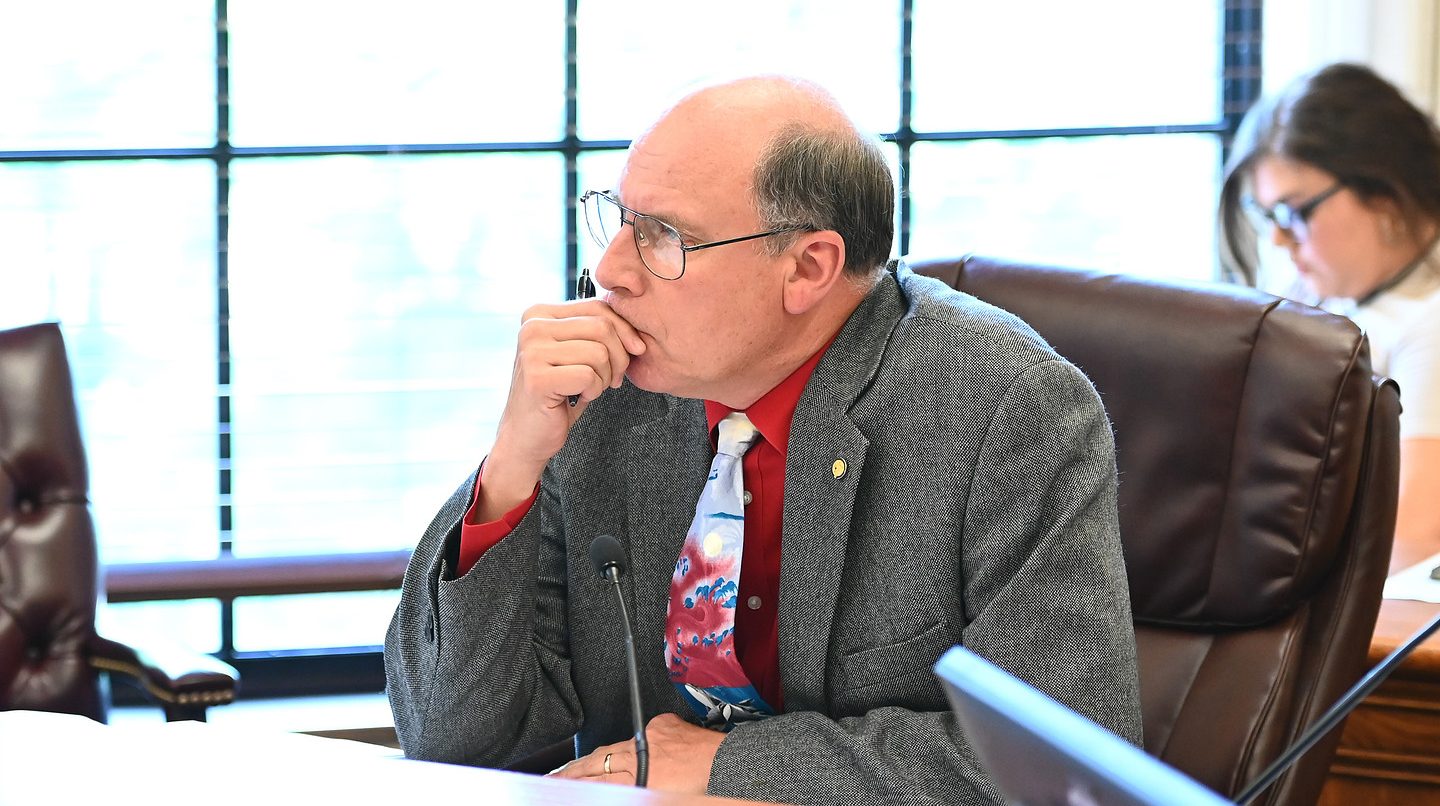
The bill is sponsored by Del. Joe Ellington (R-Mercer, 38).
Under the legislation, compulsory school attendance would end on a student’s 18th birthday. Children would still be required to begin school in the year they turn 6 before July 1 or when they enroll in a full-time, publicly funded kindergarten program. The bill also clarifies that students with exceptionalities may be subject to different attendance measures consistent with state special education law.
The measure adds clear definitions for “chronically absent” or “chronic absenteeism,” as well as for a “student support specialist,” a professional employed by a county school district to work with students who struggle with attendance. The bill replaces outdated references to “truancy support specialists” and makes technical updates throughout state code.
Under the proposal, 18-year-old students would no longer face criminal penalties for chronic absenteeism. They would receive the same notices about unexcused absences as parents or guardians and, after 10 unexcused absences, would be advised of the consequences of failing to comply with attendance policies, including possible withdrawal from school. Schools could also refer students and families to the Department of Human Services for wraparound services, and county attendance directors would coordinate those services.
For students under 18 who are chronically absent, county prosecutors could petition circuit court to have the child designated as a “child in need of supervision” under juvenile justice law. The bill establishes that circuit courts would have jurisdiction over these cases and could monitor diversion programs or order noncustodial counseling or community services. However, a child in need of supervision could not be placed in out-of-home placement or a Bureau of Juvenile Services facility.
Beginning July 1, 2026, truancy would no longer be considered a status offense. Any pending truancy charges would be dismissed, although diversion programs could continue if they are in the juvenile’s best interests. Chronically absent students could also be referred to prepetition diversion programs before formal court action is taken.
The legislation also removes references to truancy officers in child labor enforcement law and clarifies the duties of principals and administrators in enforcing compulsory attendance requirements.
Supporters say the bill modernizes state law and emphasizes support services over criminal penalties. The measure is currently under consideration in the House.