

In the parking lot outside of City Hall, I Googled two questions: what’s a referendum and what’s a PAC? Digging for a pen under my car seat, I filled out the paperwork to form a political action committee, then promptly filed a referendum to veto my city council’s decision to sell 500 acres of recreational land to a data center developer in Page, Arizona. That turned out to be the easy part.
I needed to collect 303 signatures for the referendum to pass, which would allow citizens to vote on the land sale. But the City of Page requires signatures to be collected the old fashioned way, in person on paper. Had the signatures been allowed to be collected online, we would’ve reached that goal in hours.
When the city voted to sell the land in October 2025, despite City Hall being packed with protestors, I started an online petition on Change.org that gathered over 1,000 signatures in less than 48 hours, but that petition had no legal heft to halt the development.
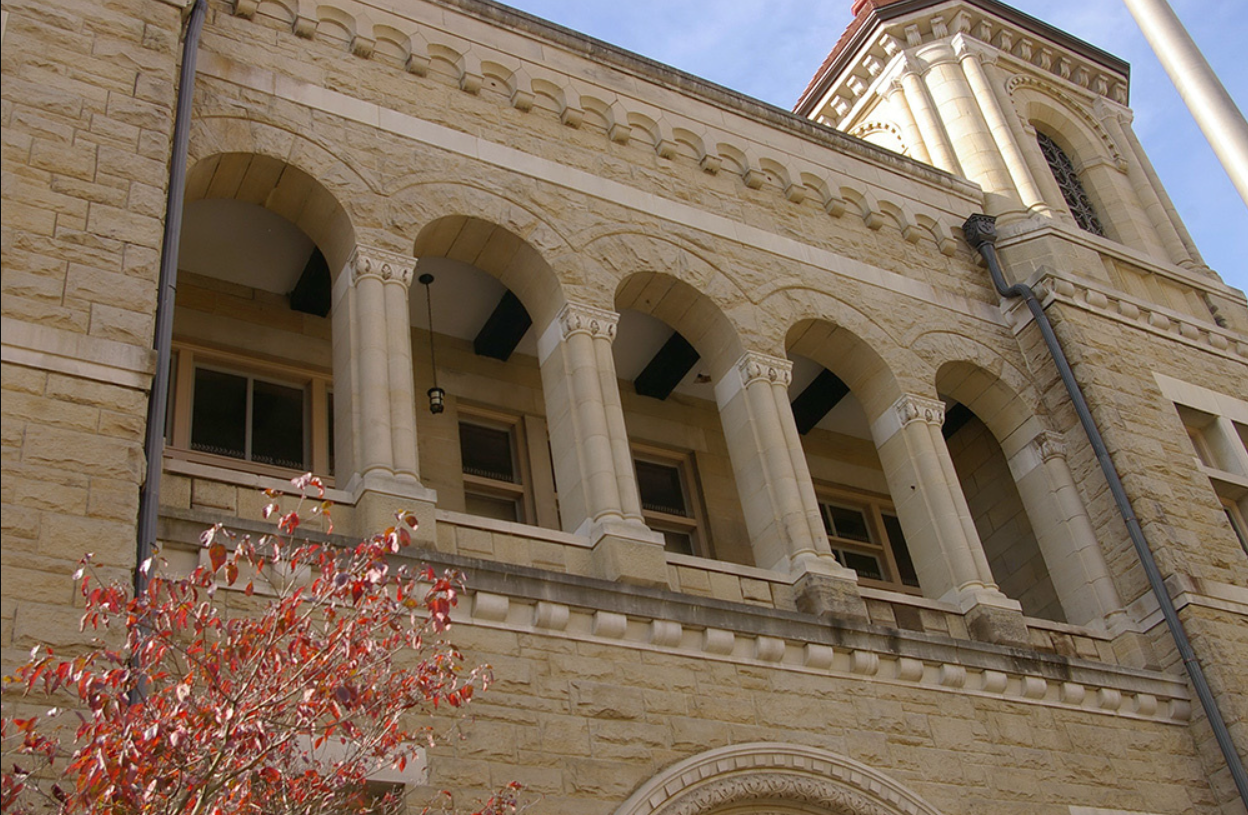
The Page, Arizona city council voted to sell 500 acres of recreational land to a data center developer. (Photo by Beth Henshaw)
Gathering signatures in person felt like a barrier to democracy, with strict, arbitrary rules. Signatures must be signed with black ink, not blue. If someone’s name included a y that left the box, the signature wouldn’t be counted, and the entire sheet could be tossed out. Rules that wouldn’t exist with an online process.
Despite the red tape, I stood loyally outside the public library nearly every night for a month. On the first night, I was nervous, worried that my rural, conservative town didn’t care about another extractive industry coming to build what the developer proposed as fifteen buildings thirty feet high. Maybe no one cared if the air and water were polluted or if they planned to use gas or nuclear generators. Maybe I was just an environmentalist drowning in a red sea.
Some old-time residents warned me not to get involved, telling me to be careful who I crossed, because this small town holds grudges that could negatively affect my business. What worried me more was thinking about the kids I worked with at the local elementary school, whose class field trips out to the land to hike, read, and catch their first lizard might never happen again.
All my worries were quelled when the clock struck five and a line formed in front of me full of MAGA hats, retirees, young hippies with purple hair and tattoos. I didn’t bring enough pens; I needed more clipboards. I became engrossed in conversation with neighbors I’d never met before, who were angry about losing trail access from their backyard, where they ride horses, walk their dogs, and ride ATVs.
I’ve signed petitions to limit ATV use in wilderness areas, but I oppose the city council selling recreational land for a massive industrial development even more. I found myself standing arm in arm with them on this issue.
I was impressed with the number of people willing to go out of their way after work, in between picking up kids from school and dropping them off for soccer practice, to sign. I was floored watching residents march into the library to use a public computer to register to vote for the first time in their lives just so they could sign.
This is where the magic happened. I started making friends in the most unlikely places.
My closest allies became two retired women, one Democrat and one Republican, who offered to go door to door to collect signatures. They were shocked by how many residents knew nothing about the land sale or data center development, showing a lack of effort on the city’s part to educate and engage the public on this decision.
Another unlikely ally was a high school student from the neighboring Navajo Nation who couldn’t sign the referendum since she lived outside of city limits, but volunteered her time to collect signatures anyway.
Citizens stage a protest outside of City Hall in Page, Arizona on January 14, 2026. (Photo by Beth Henshaw)Citizens stage a protest outside of City Hall in Page, Arizona on January 14, 2026. (Photo by Beth Henshaw)
After a month of organizing, I only met two people who wouldn’t sign. They were opposed to the data center development, but feared the social backlash they might receive from the city councilors and mayor, who attended the same church.
Everyone’s reason for signing was different. Citizens feared the data center would consume too much water in an already strained water system, where Lake Powell is currently at 23% of full pool and at risk of not being able to produce power by the end of this year. Environmentalists opposed the pollution, water usage, and land degradation. Citizens worried about soaring electric bills and the constant noise in an otherwise quiet desert town. Business owners worried that the industrial buildings and pollution would negatively affect tourism, this town’s main source of income.
Others were simply enraged that a non-disclosure agreement was signed by city officials to conceal the identity of the builder and operator of the data center. We were told it’s a household name, which could mean Meta, OpenAi, Microsoft, or Google, and that it’s hidden behind the NDA. Citizens felt betrayed by their elected officials, who knew about the data center development for eight months before they informed the public.
Public outcry seems to fall on deaf ears, as our mayor and city councilors continue to defend why they voted yes to the land sale, excited about the potential tax revenue the data center has promised the city.
Regardless, we successfully gathered 409 signatures to bring the land sale to a ballot vote. But the City Clerk threw out our referendum because the land sale ordinance was not stapled to the signature paperwork, and the referendum number was written on the front, but not the front and the back.
That decision felt punitive, and exactly why I never wanted to get involved in politics in the first place. It reinforced cliche beliefs I’ve held onto, like, “Nothing’s ever gonna change, politicians are corrupt, and my vote doesn’t matter anyway.”
But shaking hands and locking eyes with hundreds of neighbors changed my mind. It gave me a reason to continue to stand up for the people, hold our elected officials accountable, and demand the opportunity to vote.
Fighting the system is less glamorous than Rage Against the Machine makes it out to be. Real opposition looks like waiting in line to sign your name on a petition, filing paperwork, sitting in a conference room counting signatures, sending emails, reading meeting agenda notes, and having unexpected, honest conversations with neighbors you’ve never spoken to before or perhaps believed you were not aligned in voting values.
The post Commentary: I Never Thought I’d Participate This Much in Politics appeared first on The Daily Yonder.