
CHARLESTON — A federal judge has rejected a lawsuit filed by West Virginia Supreme Court candidate Martin “Red Hat” Sheehan, who argued that state rules governing judicial campaigns improperly restrict what candidates may say during an election.
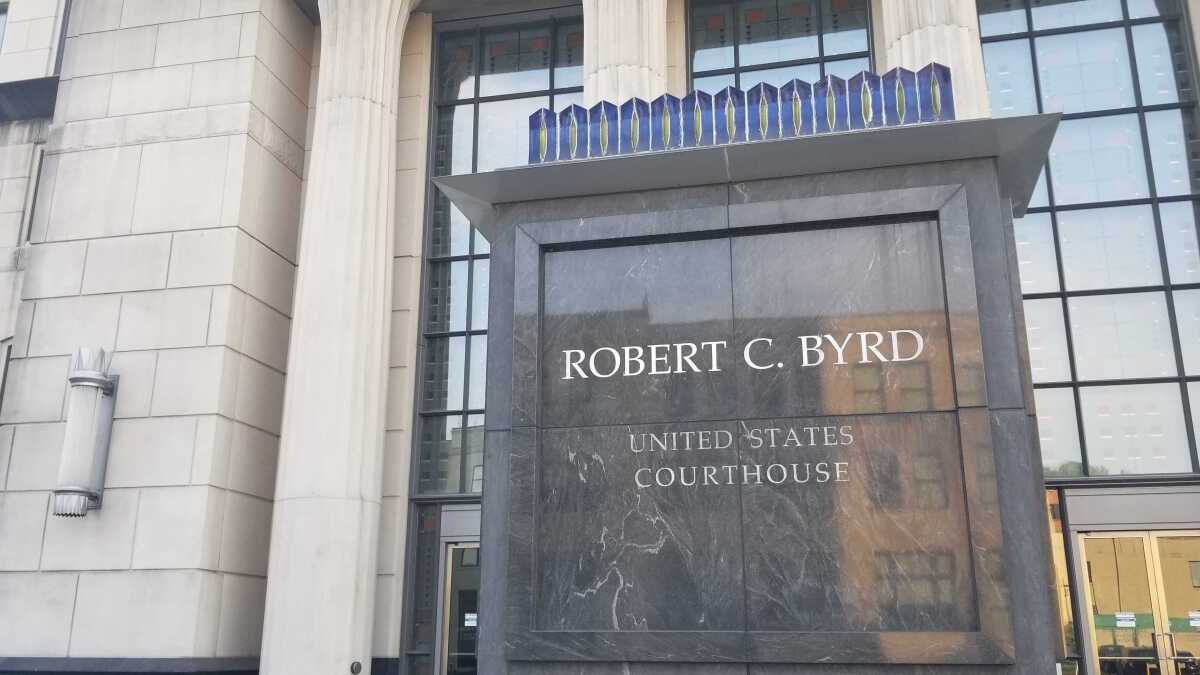
Sheehan, a Wheeling attorney seeking one of two Supreme Court seats on the May 12 ballot, sued the West Virginia Judicial Investigation Commission on March 9 in U.S. District Court for the Southern District of West Virginia.
The lawsuit challenged two provisions of the West Virginia Code of Judicial Conduct that apply to judges and judicial candidates. One bars candidates from making statements that could affect the outcome or fairness of a pending or impending case. The other prohibits candidates from making promises or commitments about issues likely to come before the court if those statements would undermine the impartial performance of judicial duties.
Sheehan argued the restrictions violate the First Amendment by limiting his ability to discuss legal issues with voters during the statewide campaign. He sought a temporary restraining order and other relief to block enforcement of the rules before the election.
Sheehan previously ran for the state’s high court in 2018 under the nickname “Red Shoes,” a reference to the red shoes he wore in court. He is listed on this year’s ballot as Martin “Red Hat” Sheehan.
Attorneys for the Judicial Investigation Commission argued that Sheehan had not been investigated or threatened with discipline and had not sought an advisory opinion from the commission before filing suit.
According to court filings, the commission maintained that it had taken no action against Sheehan and had not communicated with him before the lawsuit was filed.
The commission also argued that the campaign rules are narrowly written to preserve public confidence in an impartial judiciary.
U.S. District Judge Thomas Johnston ruled this week in favor of the commission, denying Sheehan’s request for a temporary restraining order, as well as his request for preliminary and permanent injunctions.
In his order, Johnston noted that Sheehan’s original court filings did not specify any particular statements he wished to make that would violate the code. The judge wrote that Sheehan first identified his desire to make such statements during a March 25 hearing in Charleston.
Johnston concluded that the state’s judicial campaign rules prohibit only a limited category of speech, including promises to decide future cases a certain way. He wrote that the rules still allow candidates to discuss legal and political issues and express their personal views, provided they do not compromise the appearance of judicial impartiality.
Five candidates are running for the unexpired Supreme Court term ending in 2032. Two seats on the state Supreme Court will appear on West Virginia ballots in the May 12 election.